

By Michael Williams
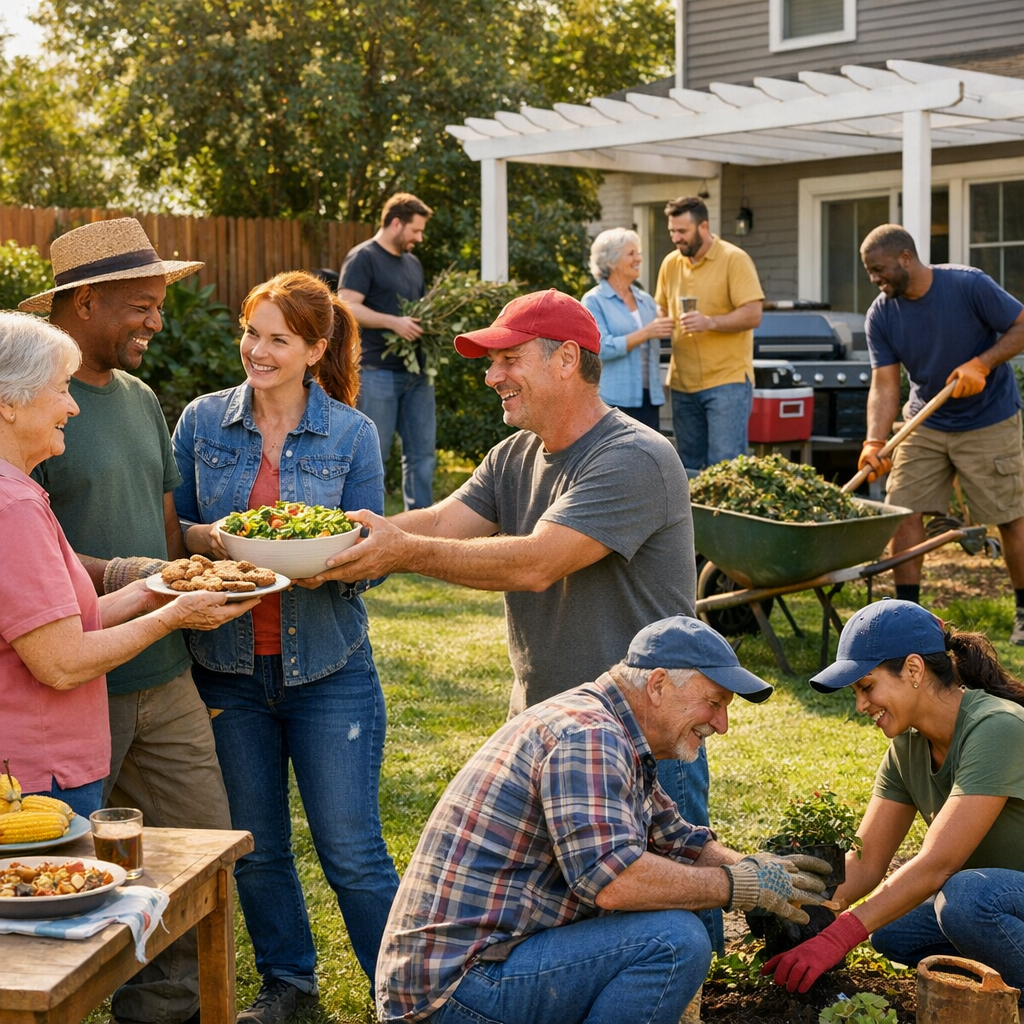
Princeton is full of close-knit neighborhoods. We see it in block parties, playgrounds echoing with laughter, and neighbors stopping by with a pie. Yet, as our town grows—new businesses, new faces—those quiet threads between us can fray. It’s time to talk openly about what makes neighborhood connections strong—and what we need to do to keep them that way.
Why Neighborhoods Matter
Strong neighborhoods aren’t just pleasant—they’re essential. When people know each other, look out for one another, and share responsibility for common spaces, the whole community benefits. Crime rates tend to drop, civic engagement rises, and people feel a greater sense of belonging.
In Princeton, this is especially true. From volunteer firemen to the folks organizing the youth sports leagues, what we often celebrate as civic pride is really neighborhood strength in action.
Challenges We Face
Economics, housing, and shifting demographics are stretching some of those strong bonds. The cost of housing is a concern already—many renters are struggling with affordability. Older homes need maintenance, and aging residents may need more services nearby. Meanwhile, families moving in may not know who neighbors are, or feel rooted enough to join in.
Transportation gaps make it harder too—whether for seniors who have fewer options, or for working parents trying to reach jobs or community services without using multiple cars.
Community Voices: What’s Being Done
Groups like Age-Friendly Princeton are stepping up, working to ensure people of all ages can stay involved and connected. That means better info channels, public spaces that accommodate all mobility levels, and programming that includes seniors, youth, adults—everyone.
Also, our Business Retention & Expansion program is helping local businesses stay viable and actively linking them with community needs. When local shops thrive, they become gathering points—places where conversations happen across fences and across tables.
Ideas That Can Help Us All Grow Closer
- Create shared spaces: Gatherings in parks, community gardens, or even pop-up outdoor seating by local cafes where families can meet. Simple, free, predictable.
- Neighbor check-ins: Especially for folks living alone or older adults. A phone call or visit can make all the difference.
- Volunteer link-ups: Match people who want to help with those who need help—yard work, rides, tech help. Build bridges across age and income.
- Transparent city communication: Clear notice of upcoming events, proposals, or public meetings helps neighbors feel part of decisions that shape their block.
- Inclusive housing practices: As new units are built or renovated, consider how neighborhoods can stay mixed—age-, income-, family-wise—to keep diversity and connection strong.
Why It’s Worth Trying
When we know our neighbors, when we feel trust and connection, everyone wins. Kids grow up safer. Seniors feel supported. Families become resilient. A storm that hits one home hits many, and healing happens better when we band together.
We don’t need grand plans to start. We need kindness, intention, and the belief that small acts—like borrowing a shovel, sharing a potluck, offering a ride—matter. They build the kind of community I believe Princeton can stay—and become—every day.