

The U.S. economy is currently experiencing a complex interplay of factors that are influencing growth, employment, and consumer confidence. Understanding these dynamics is crucial for communities like Princeton, Minnesota, as national trends often have local repercussions.
Inflation and Consumer Prices
Inflation has been a persistent concern, with the consumer price index (CPI) showing a 2.8% increase in February compared to the previous year. This marks a slight decrease from the 3% rise observed in January. Notably, core prices, which exclude volatile food and energy categories, rose by 3.1% over the same period, the lowest since April 2021. While grocery prices remained stable from January to February, certain items like eggs saw significant price hikes due to factors such as avian flu affecting poultry populations.
Employment Trends
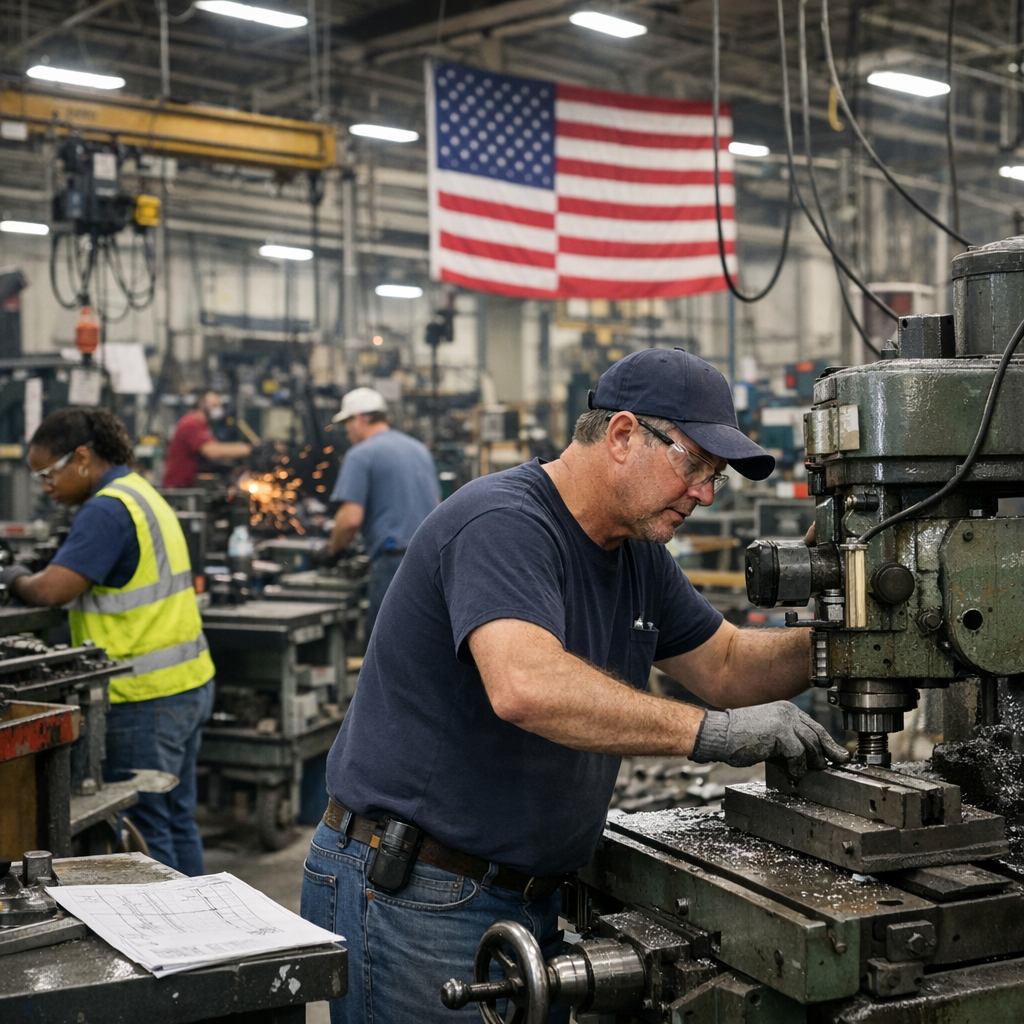
The labor market has shown signs of stagnation. Recent reports indicate that U.S. employers have shed 37,000 manufacturing jobs since the implementation of new tariffs in April. Additionally, net hiring has declined over the past three months, with job gains averaging just 73,000 in July, 14,000 in June, and 19,000 in May. This is a notable drop from the average of 168,000 jobs added per month last year.
Trade Policies and Tariffs
Trade policies continue to play a significant role in the economic landscape. The U.S. Trade Representative has initiated a Section 301 investigation into Vietnam over concerns regarding intellectual property enforcement. This probe could lead to new tariffs on Vietnamese imports if issues remain unresolved. Such actions may have broader implications for global trade relations and domestic industries.
Implications for Local Communities
For residents of Princeton, Minnesota, these national economic trends can have tangible effects. Inflation impacts purchasing power, employment trends influence job availability, and trade policies can affect local businesses reliant on global supply chains. Staying informed about these developments is essential for making informed personal and business decisions.
As the economic landscape continues to evolve, it’s important for communities to remain adaptable and proactive in addressing the challenges and opportunities that arise from these national trends.