
By Ava Peterson
Technology Isn’t Just for Big Cities—It’s Reaching Princeton
Even though we may live far from the tech hubs of the coasts, breakthroughs in artificial intelligence, local startups, and smart gadgets are making their way to Princeton, Minnesota—and changing how we learn, heal, and work.
1. Better Schools, More Access
Princeton Public Schools have invested in digital learning tools, issuing mobile devices for students and setting up free wifi hotspots throughout district buildings—even extending signals into parking lots. Families without home internet can request loaner hotspots when available. These moves help close gaps for students who might otherwise fall behind.
Recently, a career and technical education grant helped the high school add courses like AP Computer Science and Computer Technology Hardware. That includes anti‐static mats and hands‐on repair work—skills that actually prepare students for tech and trades alike.
2. Putting AI to Work Close to Home
Startups across Minnesota are bringing AI into health care, education, and automation—some of them slowly expanding beyond Twin Cities to rural areas. Companies like Vocca use conversational AI to help healthcare offices with appointment scheduling and patient communication. Others are focused on improving caregivers’ workflows, bringing together peer networks, documentation tools, and guidance.
3. The Promise—and Challenges—of AI in Rural Areas
Rural communities often have worse health outcomes and fewer providers than urban ones. AI offers tools—like remote diagnostics or predictive analytics—that could help reduce that unfair gap. But there are limitations: many AI systems are trained on urban data sets, and infrastructure or staffing may lag. If rural realities aren’t factored in, those tools can miss the mark or fail entirely.
Local leaders and residents have a role to play. Building trustworthy AI systems requires community input, local validation of tools, and attention to how decisions made by technology affect daily lives. It’s not just about what AI can do—but how, and for whom.
4. What Innovative Tools Mean for Daily Life in Princeton
Smart gadgets—home assistants, voice‐activated appliances, energy monitors—are becoming more affordable and helpful. For folks managing farms or remote properties, automated tools or sensor‐based devices can offer time savings and safety benefits. These tools also help neighborhoods stay connected: local wifi spots and portable devices keep students learning and neighbors in touch.
What Residents Can Watch For
- Keep an eye on local policymaking around data centers or broadband expansion. These decisions shape infrastructure and rates, perks and challenges alike.
- If you use—or might use—AI in work or services, ask about the data used, who designed the system, and whether it’s been tested in communities like ours.
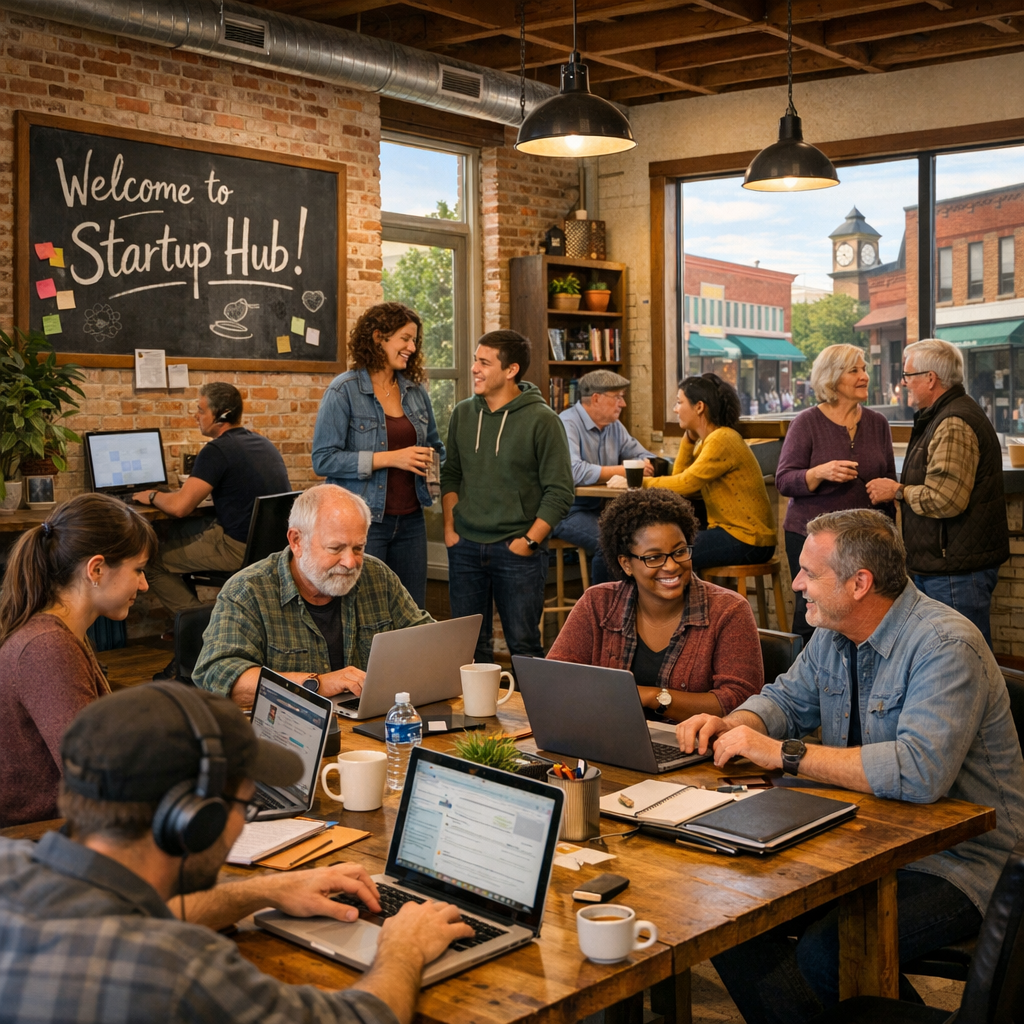
- Support local startup efforts and advocate for programs that bring tech training, devices, and internet access to everyone in town.
Looking Ahead with Hope and Caution
The spread of AI, startups, and tech gadgets in rural places like Princeton holds huge potential—to improve learning, health care, and everyday convenience. If we make sure development is inclusive, thoughtfully planned, and grounded in local needs, our community doesn’t just catch up—we can help lead the way.