

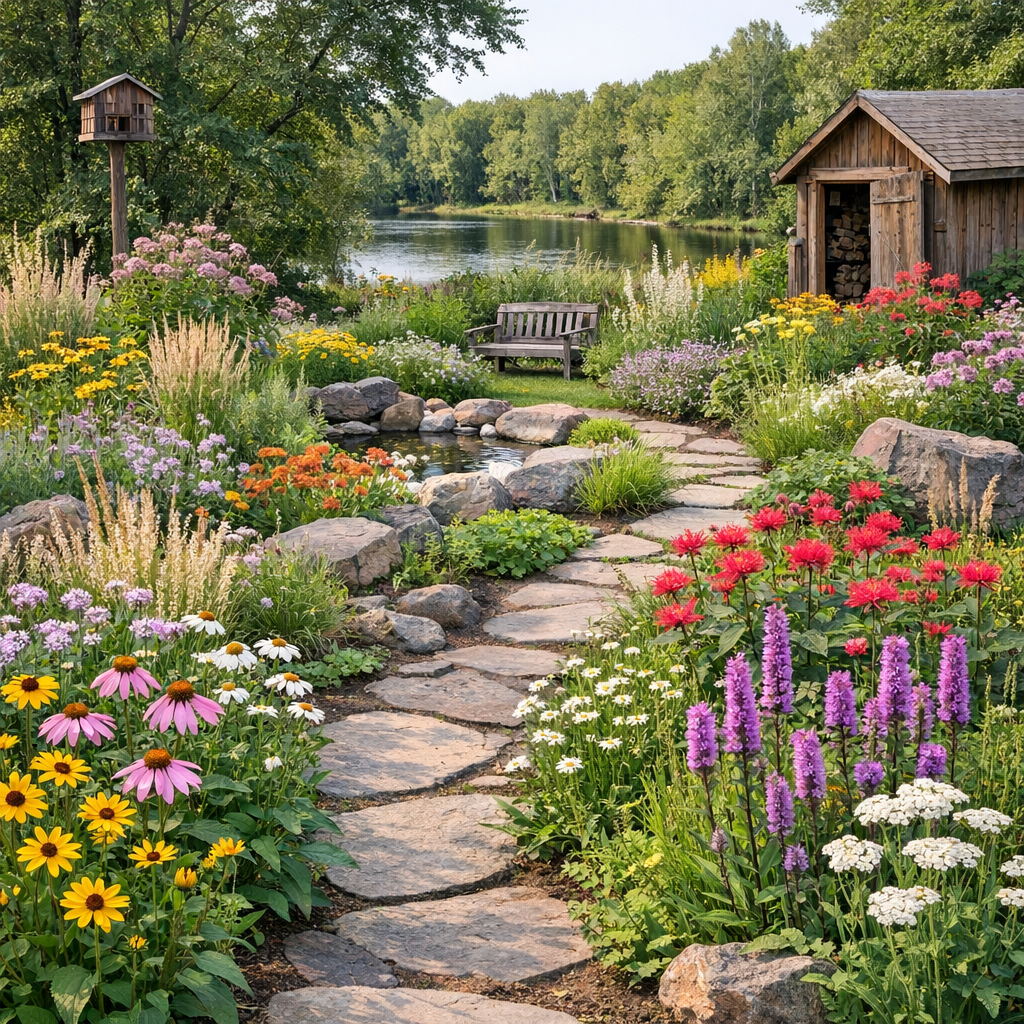
As climate change continues to affect Minnesota, communities like Princeton are seeking effective strategies to mitigate its impacts. One such approach gaining traction is native landscaping, which involves incorporating indigenous plants into our yards and public spaces.
Understanding Native Landscaping
Native landscaping utilizes plant species that have evolved in our region over thousands of years. These plants are well-adapted to local soil, climate, and wildlife, requiring less maintenance and resources compared to non-native species. By choosing native plants, homeowners can create sustainable and resilient landscapes that support local ecosystems.
Benefits of Native Plants
Integrating native plants into our landscapes offers numerous advantages:
- Water Conservation: Native plants typically require less watering, reducing strain on local water resources.
- Soil Health: Their deep root systems enhance soil structure and prevent erosion.
- Biodiversity Support: They provide essential habitats for pollinators, birds, and other wildlife.
- Climate Resilience: Native plants are more resilient to local climate extremes, helping landscapes withstand changing weather patterns.
Local Resources and Initiatives
Princeton residents have access to valuable resources to assist in transitioning to native landscaping. Prairie Restorations, Inc., located at 31646 128th St NW, offers a wide selection of native plants, seeds, and expert advice. Their garden center is open Monday through Friday from 10 AM to 6 PM, and on weekends from 9 AM to 4 PM. More information can be found on their website.
Additionally, the Ridgeview Conservancy is actively working to preserve local forests and promote native plantings. Their initiatives aim to protect and connect Princeton’s green spaces, contributing to the community’s overall climate resilience.
Getting Started with Native Landscaping
Embarking on native landscaping can be both rewarding and straightforward. Here are some steps to consider:
- Assess Your Site: Understand the soil type, sunlight, and moisture levels in your yard to select appropriate native species.
- Choose Native Plants: Select a variety of native flowers, grasses, shrubs, and trees that suit your site’s conditions.
- Plan Your Layout: Design your landscape to include diverse plantings that bloom at different times, providing continuous support for pollinators.
- Prepare the Soil: Remove invasive species and amend the soil if necessary to create a healthy foundation for your native plants.
- Plant and Maintain: Follow planting guidelines and provide initial care as your native landscape establishes itself. Over time, maintenance needs will decrease.
By adopting native landscaping practices, Princeton residents can play a vital role in combating climate change, conserving water, and supporting local wildlife. Embracing our region’s natural heritage not only enhances the beauty of our community but also fosters a healthier and more sustainable environment for future generations.