

The United States economy is currently experiencing a complex interplay of factors influencing its trajectory. Understanding these elements is crucial for communities like Princeton, Minnesota, as national trends often have local repercussions.
Inflation and Consumer Prices
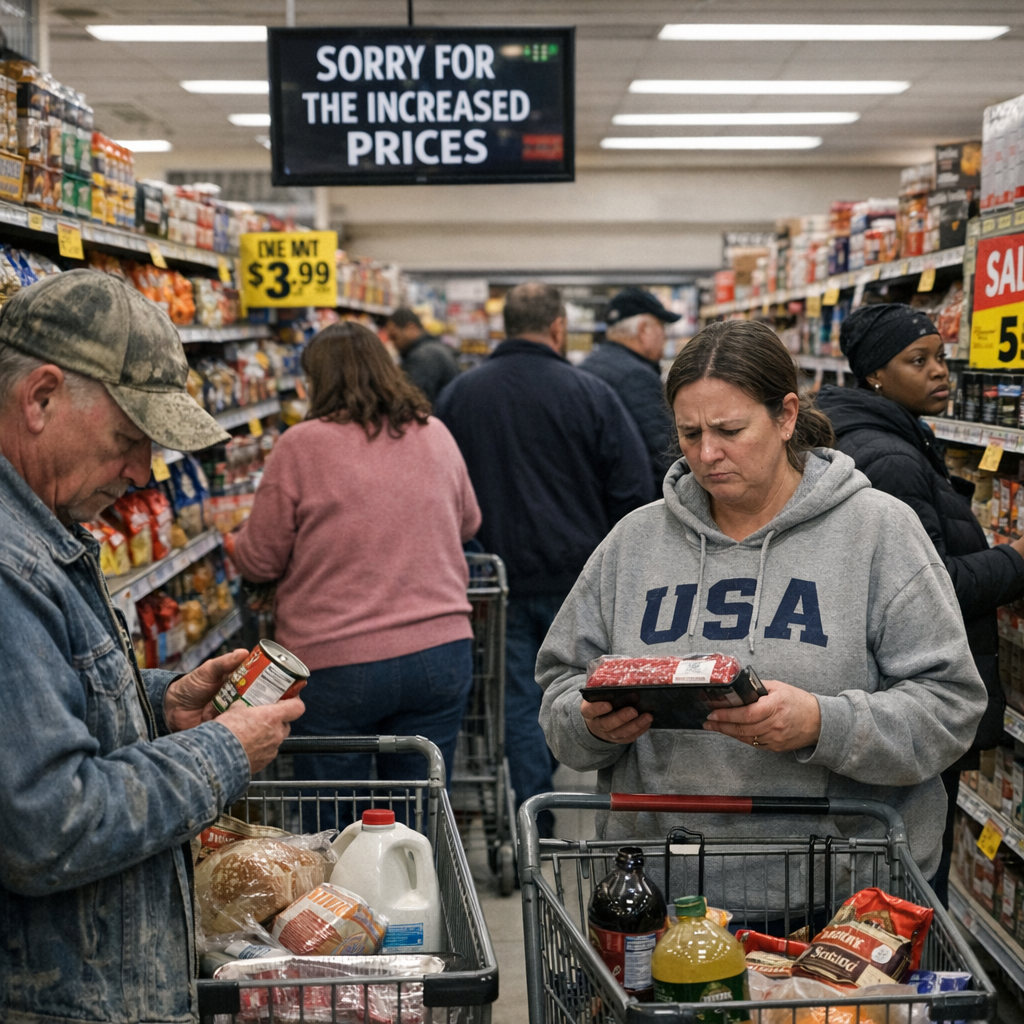
Inflation remains a significant concern. While the rate has decreased from its peak in mid-2022, it has recently picked up, reaching an annual rate of 2.9% in December. This uptick affects the cost of living, with higher grocery prices being particularly impactful. For instance, food prices have risen by 27% since February 2021, placing a strain on household budgets.
Employment and Wages
The labor market shows signs of stagnation. Job openings have remained largely unchanged, and wage growth has not kept pace with inflation. This stagnation means that, despite employment opportunities, the purchasing power of wages is diminishing, affecting overall economic well-being.
Energy Prices and Global Events
Global events, such as the ongoing conflict in Iran, have led to increased energy prices. This rise is felt at the gas pump and in utility bills, contributing to the overall inflationary pressure. The Federal Reserve has maintained interest rates between 3.5% and 3.75% to manage these economic challenges.
Local Impact
For residents of Princeton, these national trends translate into higher costs for essentials and potential challenges in the job market. Staying informed and adaptable is key to navigating this evolving economic landscape.