
Recent developments in the U.S. economy and political landscape signal potential challenges ahead.
Economic Concerns Amid Rising Inflation
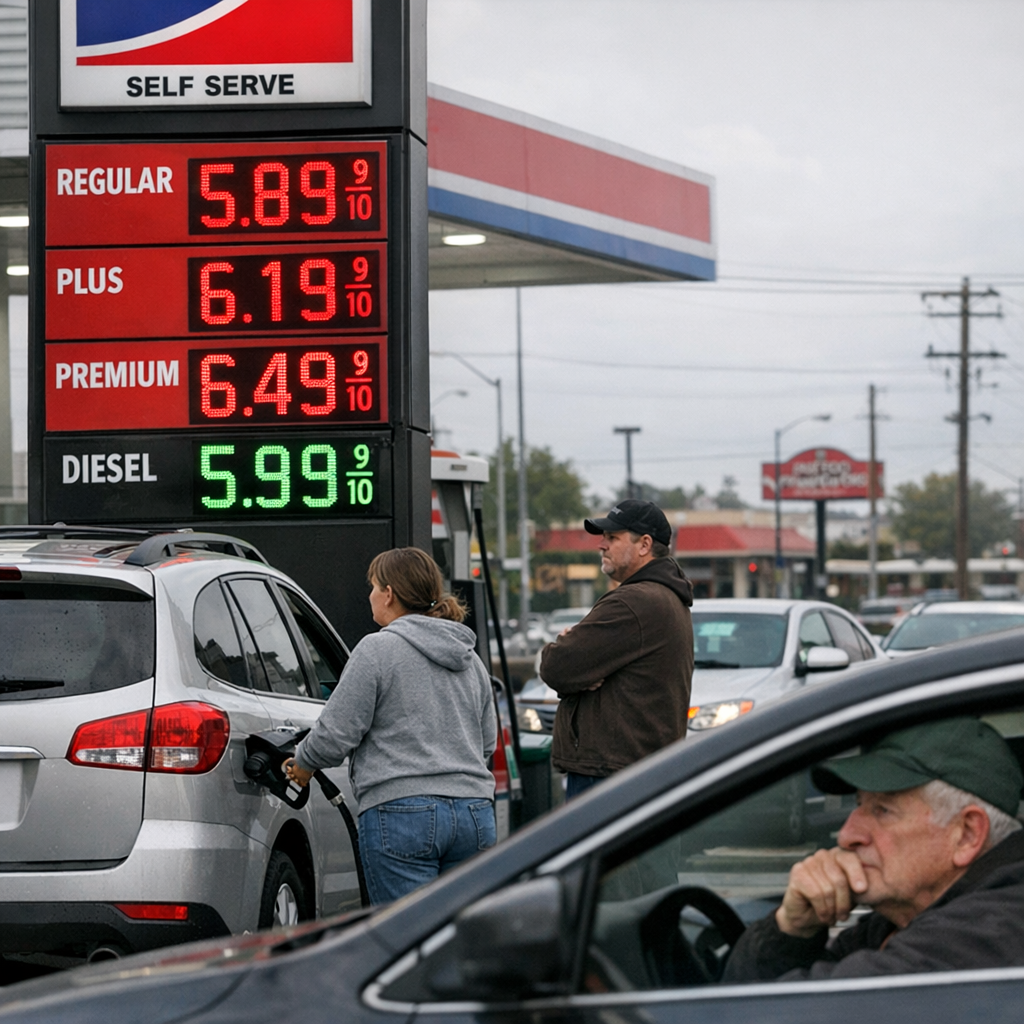
Recent data indicates a growing unease among consumers regarding the economy. A CBS News/YouGov poll reveals that 70% of Americans feel “angry” or “frustrated” about the current economic situation. This sentiment is largely attributed to rising inflation and increased energy costs, with national average gas prices exceeding $4.50 per gallon. Additionally, inflation has reached 3.8% in April, marking the highest rate in three years. These economic pressures have led to declining confidence in current economic policies, with 65% of respondents believing that recent actions are worsening the economy in the short term.
Political Developments and Legal Challenges
In the political arena, the U.S. Department of Justice has announced a “major law enforcement action involving fraud” in Minnesota, coinciding with the sentencing of Aimee Bock, the mastermind behind the Feeding Our Future fraud scheme. This case has drawn national attention due to its scale and the involvement of federal officials. Additionally, the Trump administration’s establishment of a $1.7 billion fund to provide payouts to those who claim the legal system was “weaponized” against them has sparked debates about its legality and implementation. Experts anticipate potential court challenges to this fund, highlighting the ongoing tensions within the political landscape.
Environmental and Regulatory Updates
The U.S. Environmental Protection Agency (EPA) has proposed a delay in enforcing regulations that require significant cuts in air pollution from vehicles. This move has raised concerns among environmental groups and the public about the potential impact on air quality and public health. The proposed delay underscores the ongoing debates between regulatory agencies and environmental advocates regarding the balance between economic considerations and environmental protection.
Implications for Local Communities
For residents of Princeton, Minnesota, and similar communities, these national developments have tangible local impacts. Rising fuel prices and inflation affect household budgets, while political and legal changes can influence local governance and community programs. Staying informed about these national issues is crucial for understanding their potential effects on our daily lives and local economy.