

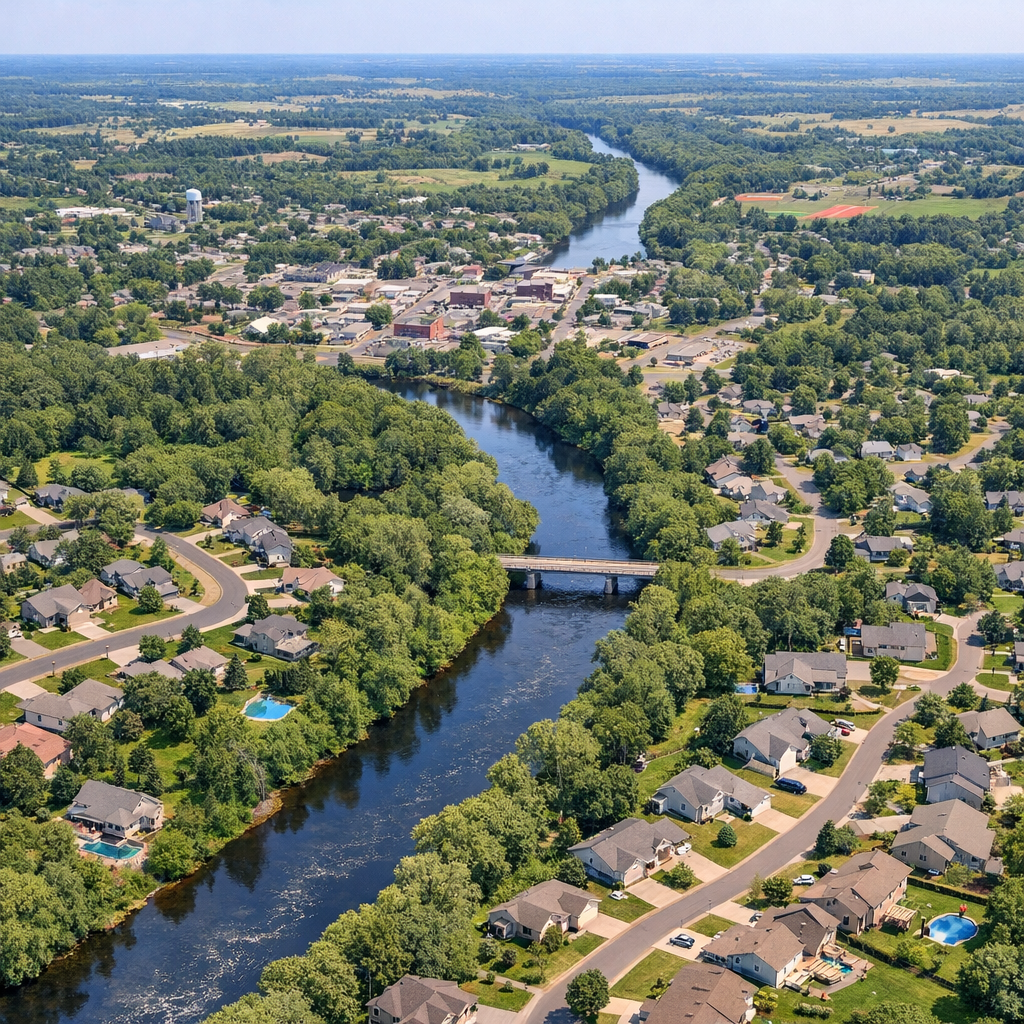
Princeton, Minnesota, is experiencing notable shifts in its real estate market, reflecting broader regional trends and local developments. For residents and potential buyers, understanding these changes is crucial for making informed decisions.
Current Housing Market Trends
As of April 2026, the average home value in Princeton stands at $372,066, marking a 2.9% increase over the past year. This steady appreciation indicates a resilient market, with homes typically going pending in around 58 days. The median listing price is $425,000, with active listings totaling 30 properties. Notably, the median sold price has risen by 31.95% year-over-year, reaching $402,450. This significant uptick suggests a competitive market where demand is outpacing supply.
Rental Market Dynamics
For renters, Princeton offers affordability compared to national averages. The average rent is $1,247 per month, which is 24% lower than the national average of $1,641. Rental options vary, with one-bedroom apartments averaging $1,247 and two-bedroom units around $1,409. Over the past year, rents have decreased by 2.5%, providing some relief to tenants. However, with only five rental properties currently available, the market remains tight, potentially influencing future rent trends.
Local Development and Community Growth
Princeton’s strategic location along the Rum River has made it an attractive hub for commuters seeking a balance between small-town charm and accessibility to the Twin Cities. The community has seen growth in new subdivisions and housing developments, catering to the increasing demand from those looking to settle in the area. This expansion reflects Princeton’s commitment to accommodating growth while preserving its unique character.
In summary, Princeton’s real estate market is characterized by rising home values, a competitive buying environment, and a tight but affordable rental market. Ongoing developments and the town’s appeal as a commuter-friendly community suggest continued growth and evolution in the housing sector.