
As the nation grapples with economic challenges, recent developments have brought inflation and energy costs to the forefront of public concern. A CBS News/YouGov poll conducted from May 13-15, 2026, reveals that 70% of Americans feel “angry” or “frustrated” about the current administration’s handling of the economy. This sentiment underscores the growing unease among citizens as they navigate financial uncertainties.
Inflation and Energy Costs on the Rise
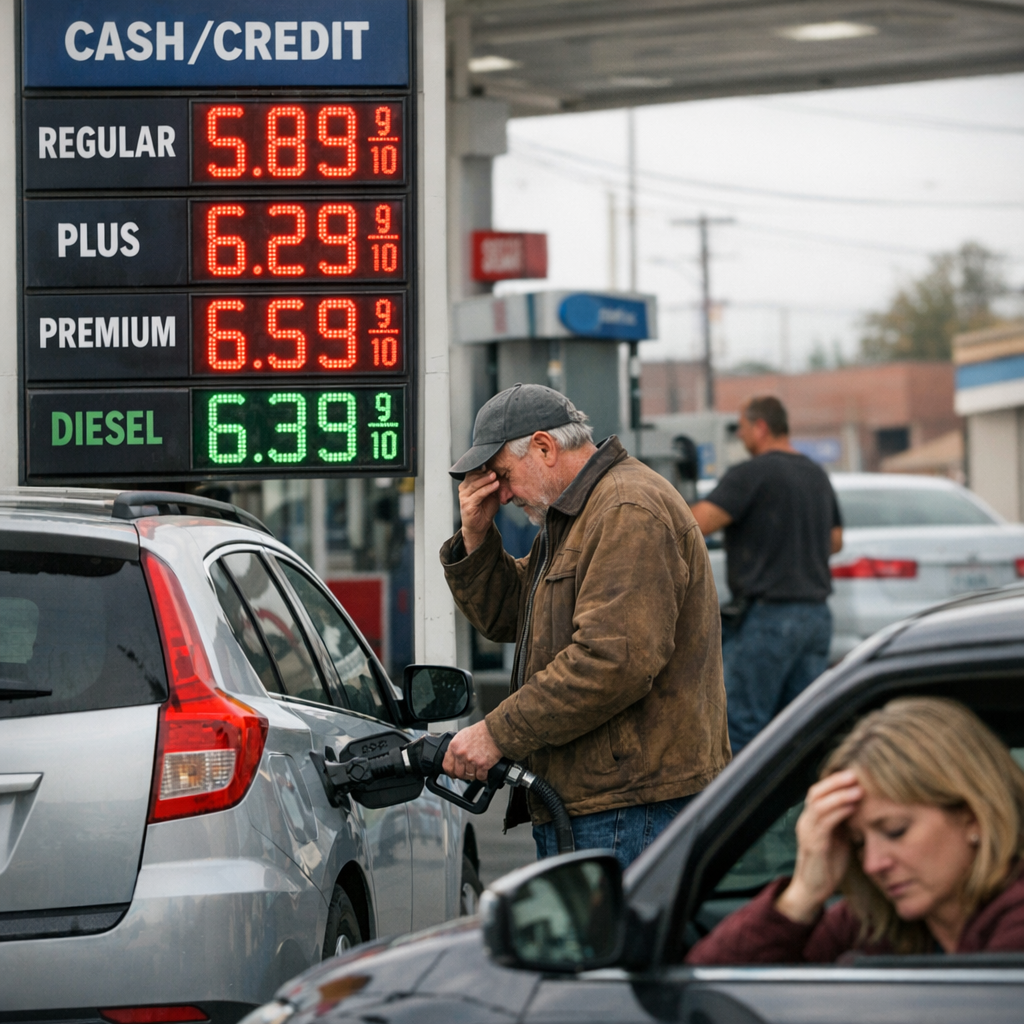
Since the onset of military conflicts earlier this year, energy prices have surged. The closure of key shipping routes has led to a national average gas price exceeding $4.50 per gallon, with some states experiencing prices above $5. This spike in energy costs has contributed to an inflation rate of 3.8% in April, the highest in three years. Such economic pressures are felt acutely by households across the country, including those in Princeton, Minnesota.
Policy Responses and Public Sentiment
In response to these challenges, the administration has proposed measures such as a gas tax holiday to alleviate the financial burden on consumers. However, this proposal faces resistance from key policymakers who are concerned about its impact on federal funding. The International Monetary Fund (IMF) has also weighed in, highlighting the buoyant state of the U.S. economy but warning of risks associated with rising federal debt and potential tariff escalations.
Local Implications
For residents of Princeton, Minnesota, these national economic trends have tangible effects. Increased transportation costs can strain household budgets, especially for those commuting to work or managing businesses reliant on fuel. Additionally, inflation can lead to higher prices for goods and services, affecting the overall cost of living in our community.
Looking Ahead
As policymakers debate the best course of action to address these economic challenges, it is crucial for citizens to stay informed and engaged. Understanding the broader economic landscape can empower individuals and communities to make informed decisions and advocate for policies that align with their needs and values.
In these uncertain times, fostering open dialogue and community support can help us navigate the complexities of the current economic climate together.